
Call: 08037736041
 Send Inquiry
 Send Inquiry
BALL CLAY
Price 4950.0 INR/ Ton
MOQ : 40 Tons
BALL CLAY Specification
- Water Absorption
- 20% - 30%
- Form
- Powder / Lumps
- Surface Finish
- Smooth
- Usage & Applications
- Tiles, Ceramics, Sanitaryware, Electricals, Paint, Rubber
- Density
- 1.9 Gram per cubic centimeter(g/cm3)
- Melting Point
- about 1600C - 1800C
- Purity(%)
- 92-96%
- Hardness (%)
- 50 - 60 (Shore C)
- Application
- Ceramics, Refractories, Sanitaryware, Tiles, Paints, Electrical Insulators
- Chemical Composition
- Aluminum Silicate
- Product Type
- Industrial Clay
- Types of Refractories
- Insulating & Fireclay Refractories
- Shape
- Fine powder / Lumps
- Porosity
- Moderate
- Dimensional Stability
- Stable on firing
- Strength
- Good mechanical strength
- Specific Gravity
- 2.5 - 2.6
- Thermal Conductivity
- Low
- Color
- White to Creamy
- pH Value
- 6.5 - 7.5
- Sintering Temperature
- Above 1300C
- Fire Clay Content
- Approx. 20%
- ISO Grade
- ISO 9001:2015 Certified
- Particle Size
- 200 mesh (74 micron) passing 98%
- Plasticity
- High
- Moisture Content
- 6% - 9%
- Loss on Ignition (LOI)
- 11% - 14%
- Expansion on Heating
- Very low
BALL CLAY Trade Information
- Minimum Order Quantity
- 40 Tons
- FOB Port
- MUNDRA PORT
- Supply Ability
- 200 Tons Per Week
- Delivery Time
- 2 Days
- Sample Available
- Yes
- Sample Policy
- Within a certain price range free samples are available
- Packaging Details
- 25 kg / 50 kg HDPE Bags 1 Metric Ton Jumbo Bags Loose Bulk (for domestic supply)
- Main Domestic Market
- All India
- Certifications
- ISO 9001:2015
About BALL CLAY
Ball Clay is a high-quality, fine-grained industrial clay known for its excellent plasticity, smooth texture, and strong binding properties. It is widely used in the ceramic industry to improve shaping, strength, and surface finish of products.
Our ball clay is carefully processed to maintain consistent quality, fine particle size, and low impurities, ensuring reliable performance in various industrial applications. It enhances workability and provides excellent molding characteristics, making it suitable for high-performance ceramic products.
Ball clay is commonly used in the production of ceramic tiles, sanitaryware, tableware, porcelain, and other ceramic applications, where strength and flexibility are essential.
Key Features
- High plasticity and flexibility
- Fine and uniform particle size
- Excellent binding properties
- Smooth texture and easy workability
- Consistent and reliable quality
Applications
- Ceramic tiles and sanitaryware
- Pottery and tableware
- Porcelain products
- Industrial ceramic applications
- Binding agent in manufacturing
Versatile Applications Across Industries
Ball clay's unique combination of high plasticity, strength, and controlled chemical composition makes it indispensable in industries such as ceramics, tiles, sanitaryware, paints, and electrical insulators. Its fine particle structure ensures smooth molding and finishing, essential for detailed forming and reliable end products.
Consistent Quality and Performance
As an ISO 9001:2015 certified product, this ball clay guarantees stable dimensional properties and excellent performance at high temperatures. Its white to creamy color, purity of 92-96%, and fine powder or lump form support dependable results in large-scale industrial processes.
FAQ's of BALL CLAY:
Q: How can ball clay be used in ceramic and tile manufacturing?
A: Ball clay functions as a key plasticizing agent in ceramic and tile production, offering high plasticity, smooth molding, and fine particle distribution (200 mesh), resulting in strong, well-shaped, and visually appealing products.Q: What are the main benefits of using high-plasticity ball clay in refractories and sanitaryware?
A: High-plasticity ball clay enhances workability, surface finish, and mechanical strength in refractories and sanitaryware. Its low thermal expansion, moderate porosity, and stable firing characteristics help produce products that withstand high temperatures and thermal shock.Q: When should one choose ball clay with a fine 200 mesh size for industrial applications?
A: Ball clay with 98% passing through 200 mesh (74 micron) is ideal when precise surface finish, consistent particle distribution, and excellent suspension properties are required, commonly in ceramics, paint, and coatings industries.Q: Where is this ball clay typically sourced from and supplied?
A: This high-quality ball clay is primarily sourced, processed, and exported from India, supplied by reputed manufacturers, exporters, and traders adhering to ISO 9001:2015 standards.Q: What is the process for preparing or blending ball clay prior to use?
A: Ball clay is often mixed with other clays or raw materials and water to achieve the desired plasticity and consistency. It may be used as lump or powder form, depending on the process, then thoroughly blended to ensure even distribution before shaping or firing.Q: How does the chemical composition and low LOI contribute to its performance?
A: The high purity aluminum silicate composition and controlled loss on ignition (11%-14%) ensure minimal impurities, good mechanical strength, and reliability during firing, making the clay especially suitable for demanding industrial processes.Q: What advantages does this ball clay offer over alternatives for electrical insulators?
A: With low thermal conductivity, high dimensional stability on firing, and good mechanical strength, this ball clay delivers consistent insulation performance and smooth surface finish, crucial for the manufacturing of reliable electrical insulators.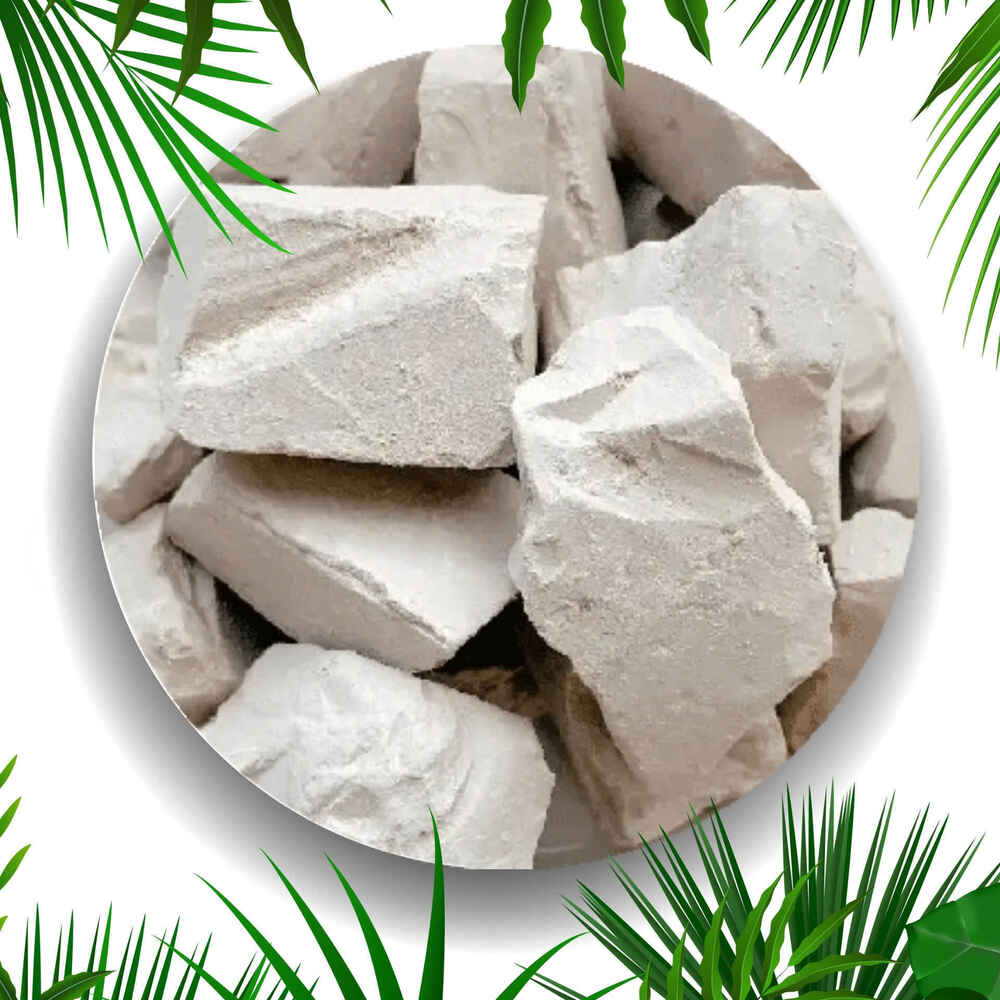
Tell us about your requirement

Price:
Quantity
Select Unit
- 50
- 100
- 200
- 250
- 500
- 1000+
Additional detail
Mobile number
Email


We accept only bulk quantity orders.
Contact Details
UMA CLAY INDUSTRIES
GST : 24AABFU8139R1ZI
- 113/114, Pooja -B, B/H ICICI Bank, Station Road, Bhuj - 370001, Gujarat, India
- Phone :08037736041
 Send Inquiry
|


Developed and Managed by Infocom Network Private Limited.
